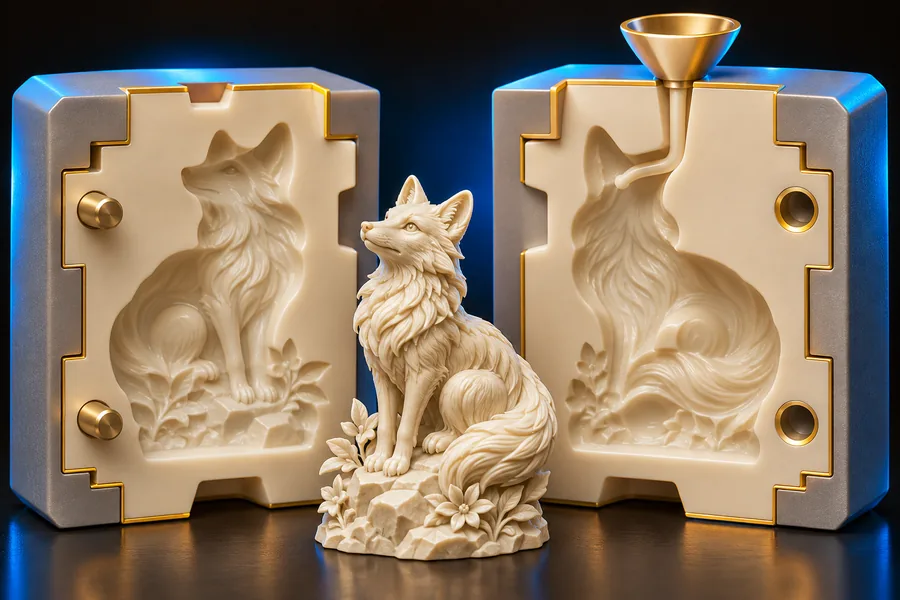
What is 3d mold maker? It is a digital tool or workflow for shaping a three-dimensional object into a mold-ready design. A 3d mold maker helps turn a visual idea into a form that can be reviewed, adjusted, and prepared for physical production.
The short answer is practical: a 3d mold maker creates or prepares the positive form, mold structure, or casting geometry needed to reproduce an object.
A 3d mold maker is most useful when the design is treated as a sequence of decisions rather than a single button press.
01 · Concept
1
Start with the object you want to reproduce
The process begins with a clear description of the object, its proportions, and the intended use. A 3d mold maker may begin from a written concept, a reference image, or an existing shape, then establish the main volume before refining details.
Define the overall silhouette and scale
Identify surfaces that must remain visible
Decide whether the result is decorative, functional, or castable
02 · Structure
2
Build the mold relationship around the form
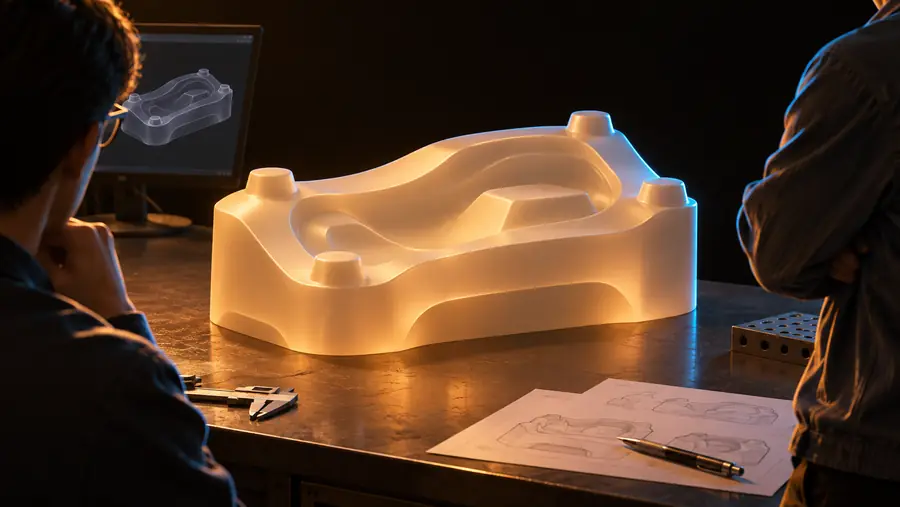
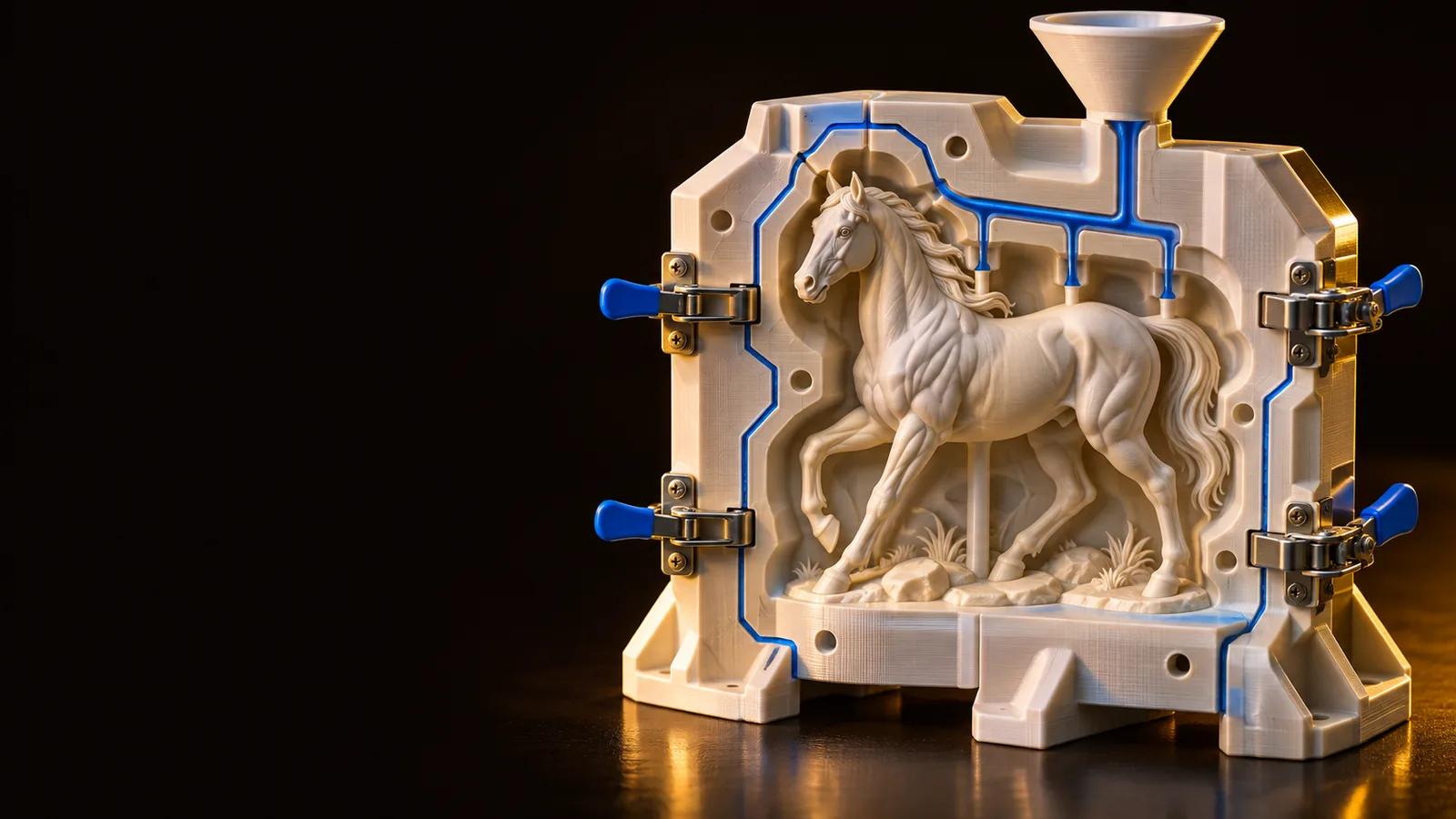
Next, the 3d mold maker workflow considers how the object will be enclosed, separated, released, and reproduced. This is where parting lines, openings, wall thickness, and the relationship between a positive model and its mold become important.
Choose a one-part or multi-part arrangement
Check undercuts and likely release directions
Leave room for practical assembly and access
03 · Review
3
Review the result before making it physical
The final stage is a review of the model and its intended workflow. A 3d mold maker can help you inspect the shape, compare alternatives, and communicate the design before committing material, tools, or production time.
Inspect edges, cavities, and transitions
Compare the mold to the original object
Use the approved form as a production reference
Can and cannot do
The technology is valuable because it accelerates form development, not because it removes every physical constraint.
1
Describe or define the form
Provide the intended shape, proportions, surface character, and purpose so the 3d mold maker has a clear design direction.
2
Develop the mold-ready geometry
The workflow organizes the positive form and its surrounding structure, including the separation and access decisions needed for reproduction.
3
Check before fabrication
Review the model for release problems, fragile detail, unsuitable thickness, and other issues that still require human judgment.
Can and cannot do
A 3d mold maker is a design aid, not a substitute for material testing, fabrication knowledge, or a final inspection.
It cannot predict every material result
Resin, silicone, plaster, wax, and other materials flow, cure, shrink, and release differently.
WorkaroundTest a small sample and follow the chosen material's technical guidance.
It cannot fix an unclear design brief
A vague object description can produce a plausible shape that does not match the intended size, use, or character.
WorkaroundSpecify dimensions, key features, surface finish, and what the finished object must do.
It cannot guarantee easy demolding
Deep undercuts, trapped cavities, thin walls, and awkward parting lines can make a mold difficult or impossible to use.
WorkaroundReview release direction and split the mold into practical sections before fabrication.
It cannot replace production checks
A digital model may look correct while still creating problems for tools, supports, ventilation, or assembly.
WorkaroundHave the design reviewed against the actual process, equipment, and material.
Who uses it
The same 3d mold maker workflow can serve different users because the important output is a repeatable form, not one narrow industry.
Concept
Mold-ready view
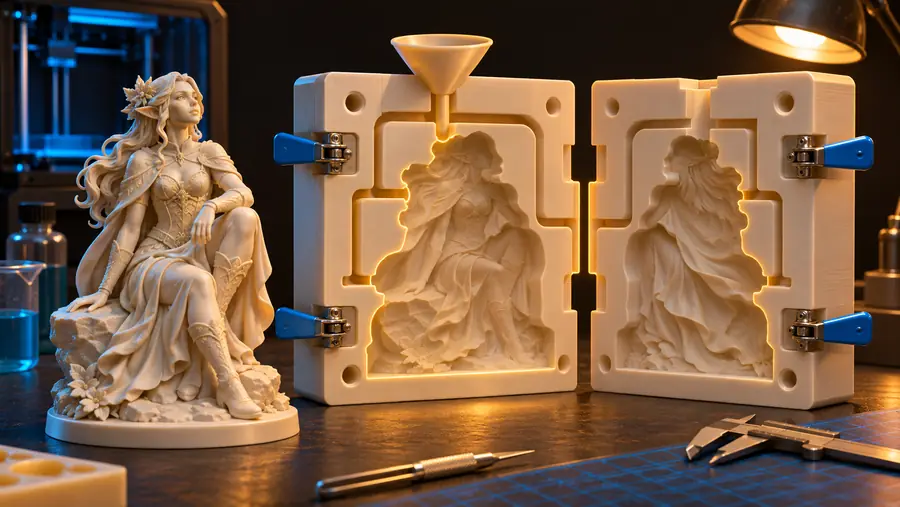
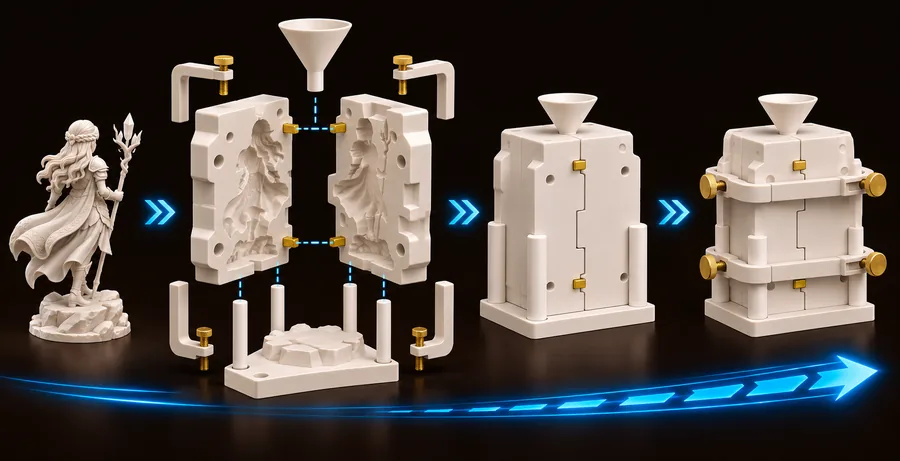
The change is from an idea to a form that can be inspected, separated, and reproduced.
Turn a mold idea into a clearer 3D form
Use the 3d mold maker workflow to explore the object, inspect its structure, and prepare a more useful starting point for fabrication decisions.
A 3d mold maker is a digital tool or design workflow used to create a three-dimensional form and organize the geometry needed to reproduce it. Depending on the workflow, it may help with the object, the mold shell, or both.
It starts with a defined object or concept, develops the three-dimensional geometry, and then considers enclosure, separation, access, and release. The resulting design still needs to be checked against the selected material and fabrication method.
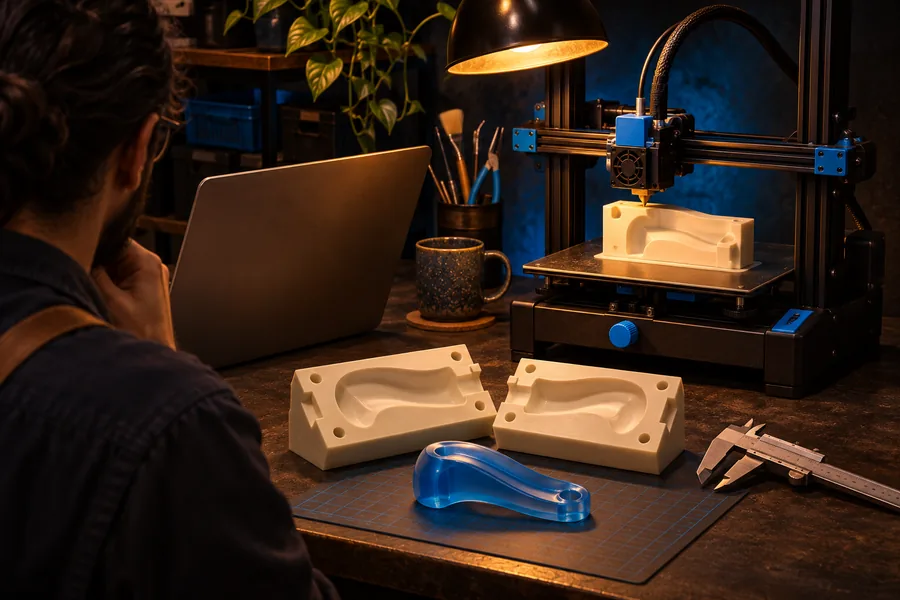
No. A 3D printer fabricates a physical object layer by layer, while a 3d mold maker focuses on the form and structure used to reproduce an object. The two workflows can be used together, such as printing a master or a mold component.
It can help artists, product designers, prop makers, educators, hobbyists, and small production teams explore repeatable forms. The best fit is anyone who needs to move from an idea or reference to a mold-related design that can be reviewed before fabrication.
 01 · Concept